Choose cheese for pasta night at Cheese Plate Cobble Hill
The right cheese choice starts with the sauce and the job you want the cheese to do. A finishing grate, a creamy stirred-in ingredient and a browned topping are different uses. Pick the dish first, then check the exact cheese's texture and recipe suitability before adding it to the basket.
This is live, trusted data verified by hardware inside the store.
Berri works with The Cheese Plate - Carroll Gardens to track its inventory directly.
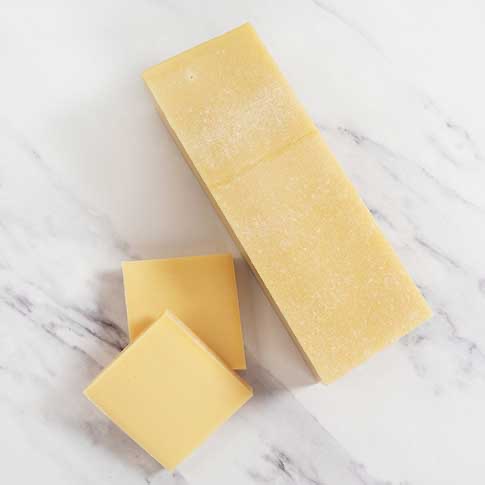
Cheese
Alpine Gruyere
From $12.50
AvailableNutty, savory Swiss Gruyère with brown-butter depth and subtle sweetness; pair with Riesling, prosciutto, and cornichons; outstanding for ultra-smooth melting.
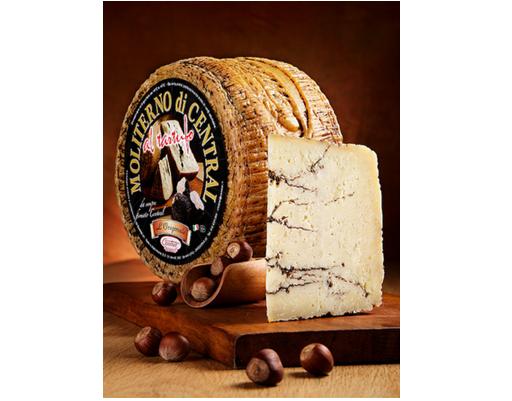
Cheese
Central Formaggi Moliterno With Truffles
From $20.00
AvailableDense Sardinian pecorino with intense black truffle, earthy and nutty; pair with Barolo, roasted mushrooms, and sourdough, and shave lightly over risotto.
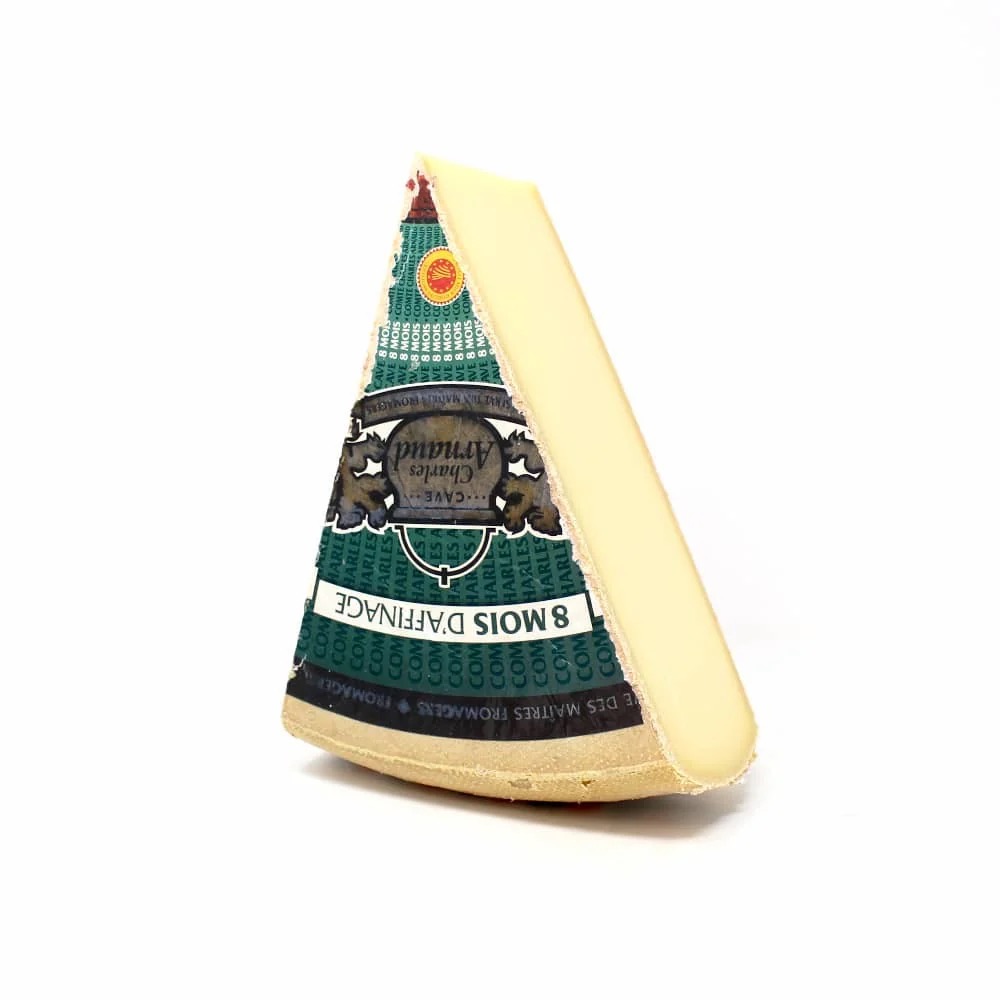
Cheese
Charles Arnaud Cave Aged Comte 12+ Month
From $18.00
AvailableCave-aged Comté with brown butter, hazelnut and brioche notes; try with White Burgundy, apples and cornichons, and serve slightly warmed to unlock crystals.

Cheese
Marcel Petit Comte Symphonie Fort St Antoine 18-24+ Month
From $22.50
AvailableNutty, crystalline Fort Saint-Antoine Comté with browned butter, dried fruit and savory depth; pair with Jura white wine, crusty bread, prosciutto; long cave aging.
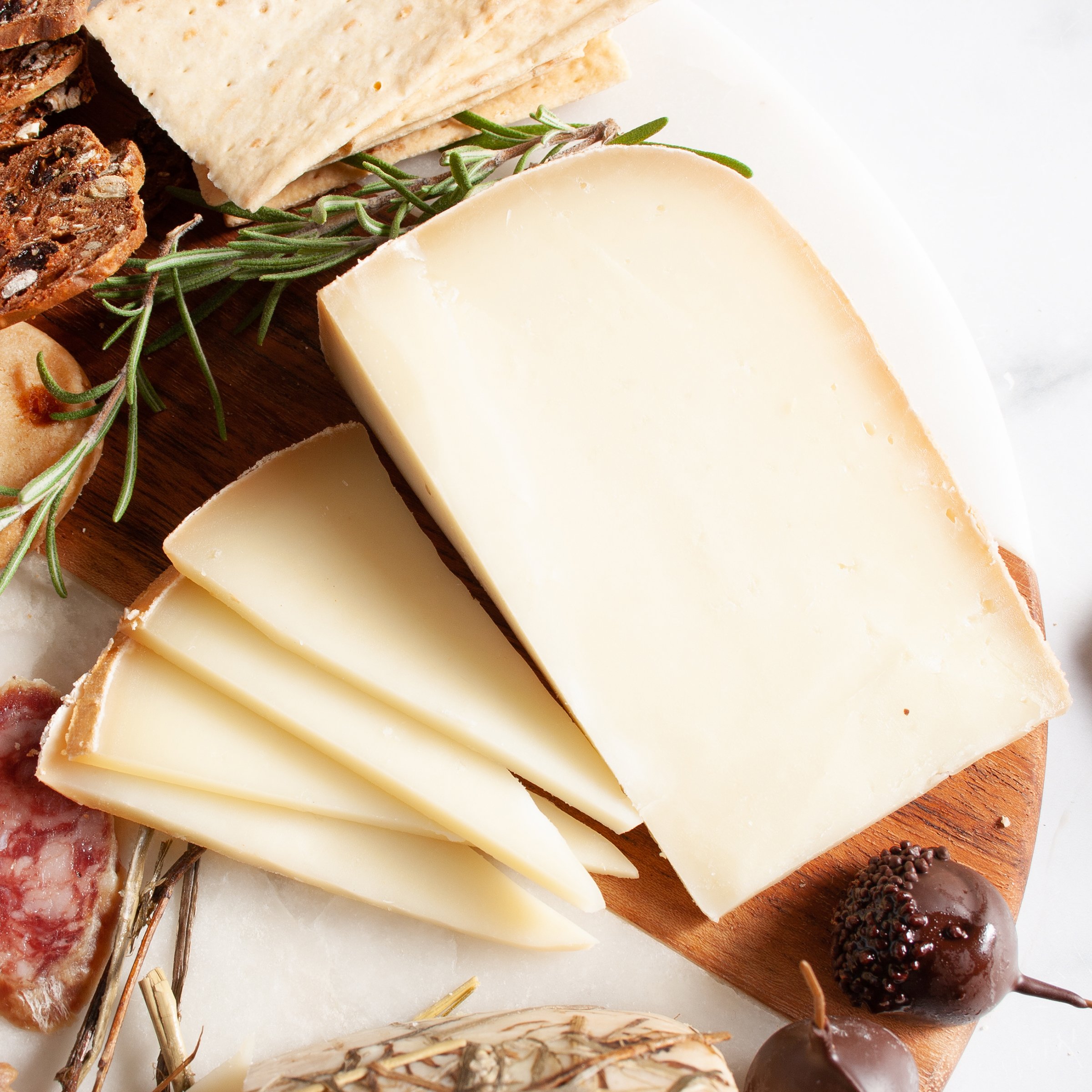
Cheese
Ossau Iraty Istara (AOP)
From $20.00
AvailableSemi-firm Basque sheep’s milk cheese with buttery hazelnut, sweet fruit, and herbal notes; pair with cherry preserves, Marcona almonds, and dry cider; serve room temp.
Cheese
Caverna Cave Aged Gruyere
From $20.00
AvailableSeparate finishing from sauce building
For a finishing cheese, look for an option firm enough to grate finely and use a little at a time. For a cheese-based sauce, follow a recipe that names the cheese or gives a tested substitution. An aged, dry cheese and a younger, moister cheese may behave differently when heated. Choosing both from a broadly similar category does not make their cooking behavior identical.
Manage heat, salt and water
Taste the sauce before adding cheese, because the cheese contributes its own salt and flavor. Reserve some pasta cooking water when your recipe calls for it, and incorporate cheese gradually using the heat level the recipe specifies. High heat is not a shortcut to a smooth result. If you are unsure about a substitution, test a small spoonful of sauce before committing the entire pot.
Keep the shopping list focused
A sauce with mushrooms, tomatoes or herbs may need only one cheese to finish it. For a baked pasta, think separately about the interior filling and the topping rather than adding every cheese you like. Compare the amount required by the recipe with the store's selling unit and plan a second use for any remainder. Store leftovers according to the package guidance, keeping the original label with the cheese.