Choose cheese for a wine you already have at Cheese Plate Cobble Hill
Start with the bottle, not a rule that every cheese needs a different wine. A practical pairing plan considers the wine's body, sweetness and acidity, then chooses one or two cheeses that leave room for it. Personal preference matters; use the first bite and sip to adjust rather than promising a perfect match.
This is live, trusted data verified by hardware inside the store.
Berri works with The Cheese Plate - Carroll Gardens to track its inventory directly.
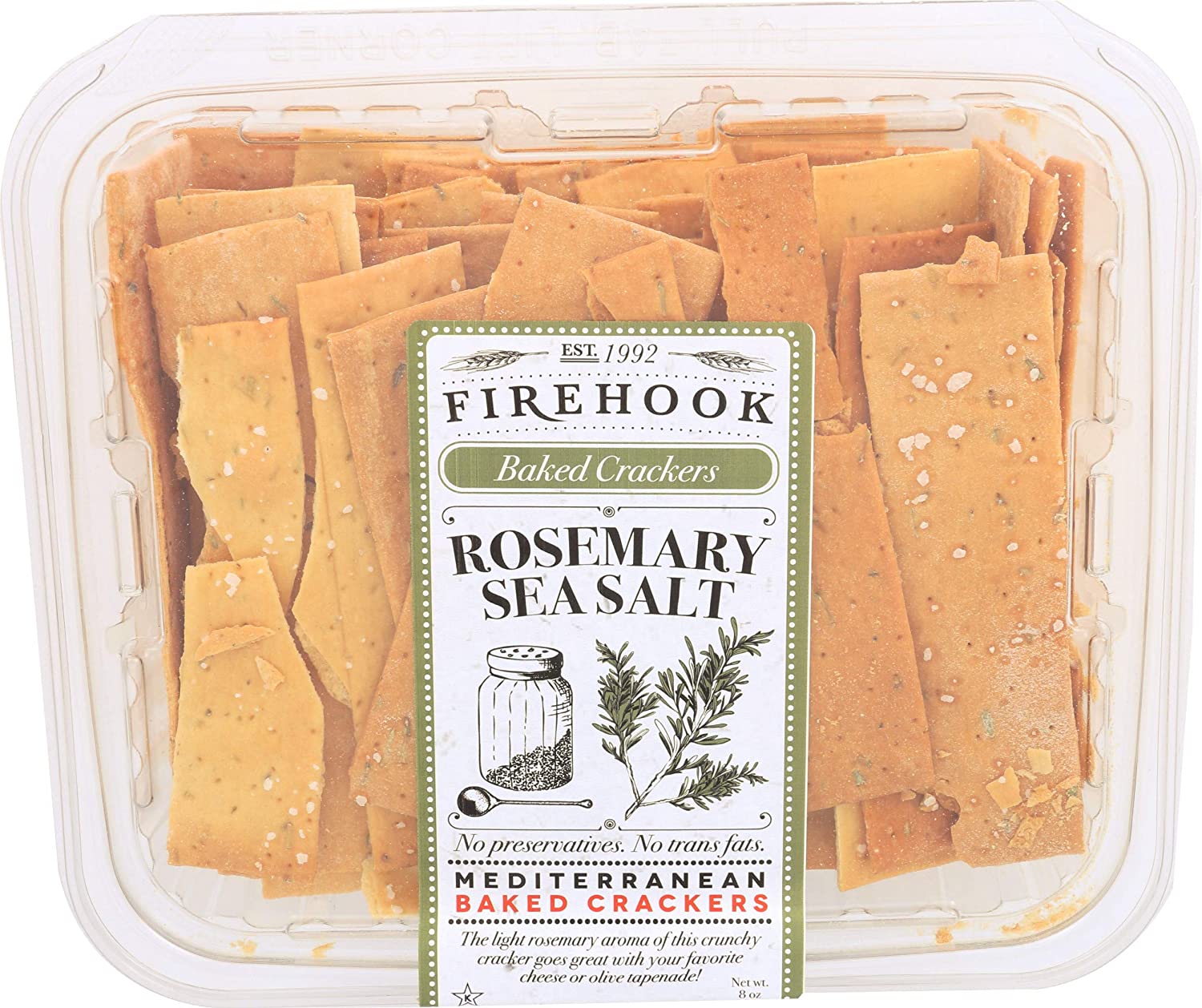
Crackers And Savory Snacks
FireHook Sea-Salt Crackers (8oz)
$9.99
AvailableClean, oven-baked Mediterranean-style crackers with light toast and delicate sea salt; ideal with aged cheddar, smoked salmon, or pâté, and a neutral cheese-board base.
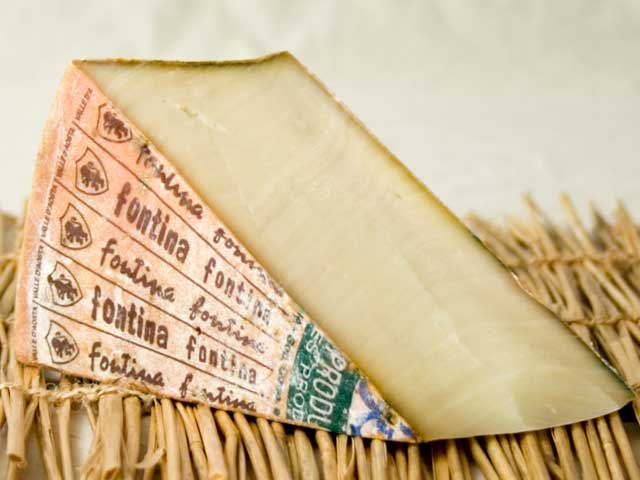
Cheese
Fontina Val D'Aosta DOP
From $15.00
AvailableSupple, nutty Alpine Fontina with buttery mushroom depth; melt it into fonduta, pair with Nebbiolo or speck, and enjoy its raw-milk cave-aged complexity.
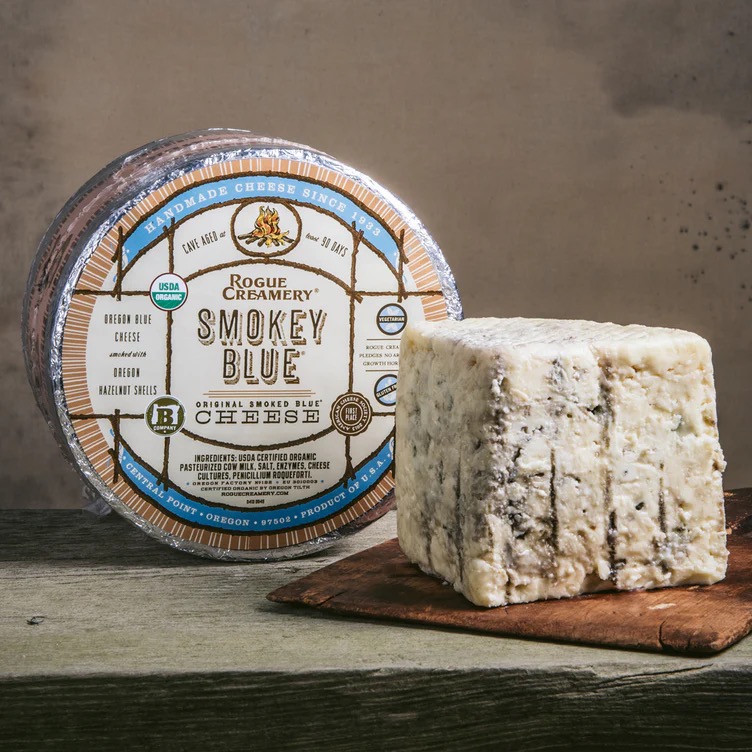
Cheese
Rogue Creamery Smokey Blue
From $21.50
AvailableCold-smoked Oregon blue with creamy texture, hazelnut-shell smoke, and sweet fruit notes; try it with pears, apples, and bourbon, plus crackers for contrast.
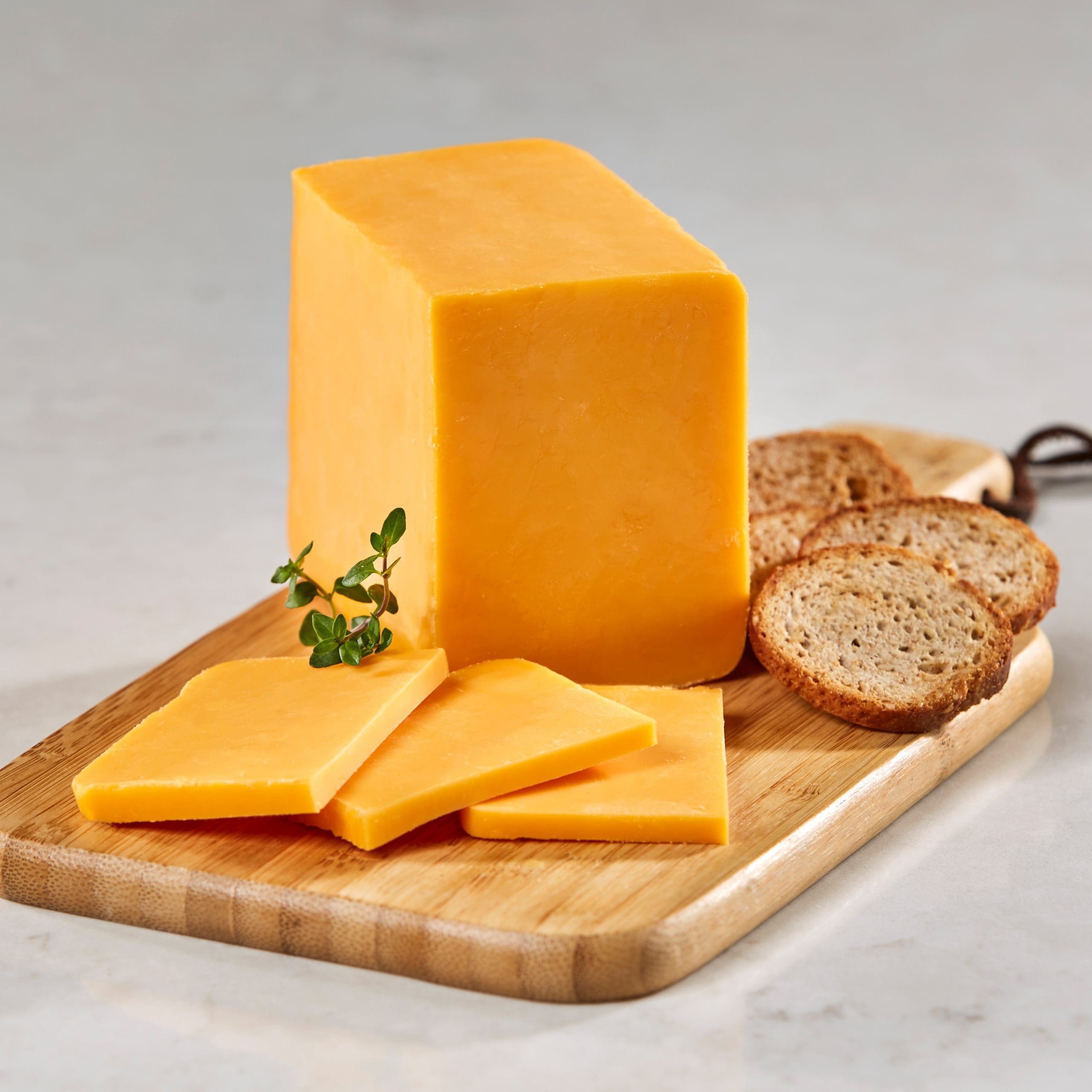
Cheese
Wisconsin 3yr Aged Cheddar
$19.99
AvailableBold, sharp Wisconsin cheddar with nutty caramel notes and a crystalline crunch; pair with apple slices, crusty bread, and full-bodied red wine for a savory finish.
Cheese
chevrano
$35.99
AvailableCompare intensity and texture
A delicate wine can disappear beside a very assertive cheese. If you want to pay attention to the bottle, begin with a milder option and move toward stronger flavors. Rich, creamy cheeses and firmer aged cheeses create different impressions even when their flavor intensity is similar. Read the individual descriptions for texture and aging information, and avoid using red or white alone as the entire selection method.
Keep the first comparison simple
Taste a small piece of cheese on its own, take a sip, then try the combination. Add a plain cracker only after that first comparison. Honey, spicy salami and strongly flavored crackers can change the result enough to hide what the cheese and wine are doing together. Put those extras on the side so guests can explore them without making every bite follow the same recipe.
Give a mixed group a flexible board
For several bottles, choose contrasting cheese styles rather than trying to match every wine individually. One creamy option, one firm option and a small portion of stronger cheese offer useful choices. Provide water and a non-alcoholic alternative with equal care. If serving blue cheese with a sweeter drink appeals to you, test a small combination first; sweetness levels and saltiness vary between individual products.