Jams Preserves Honey Marmalade
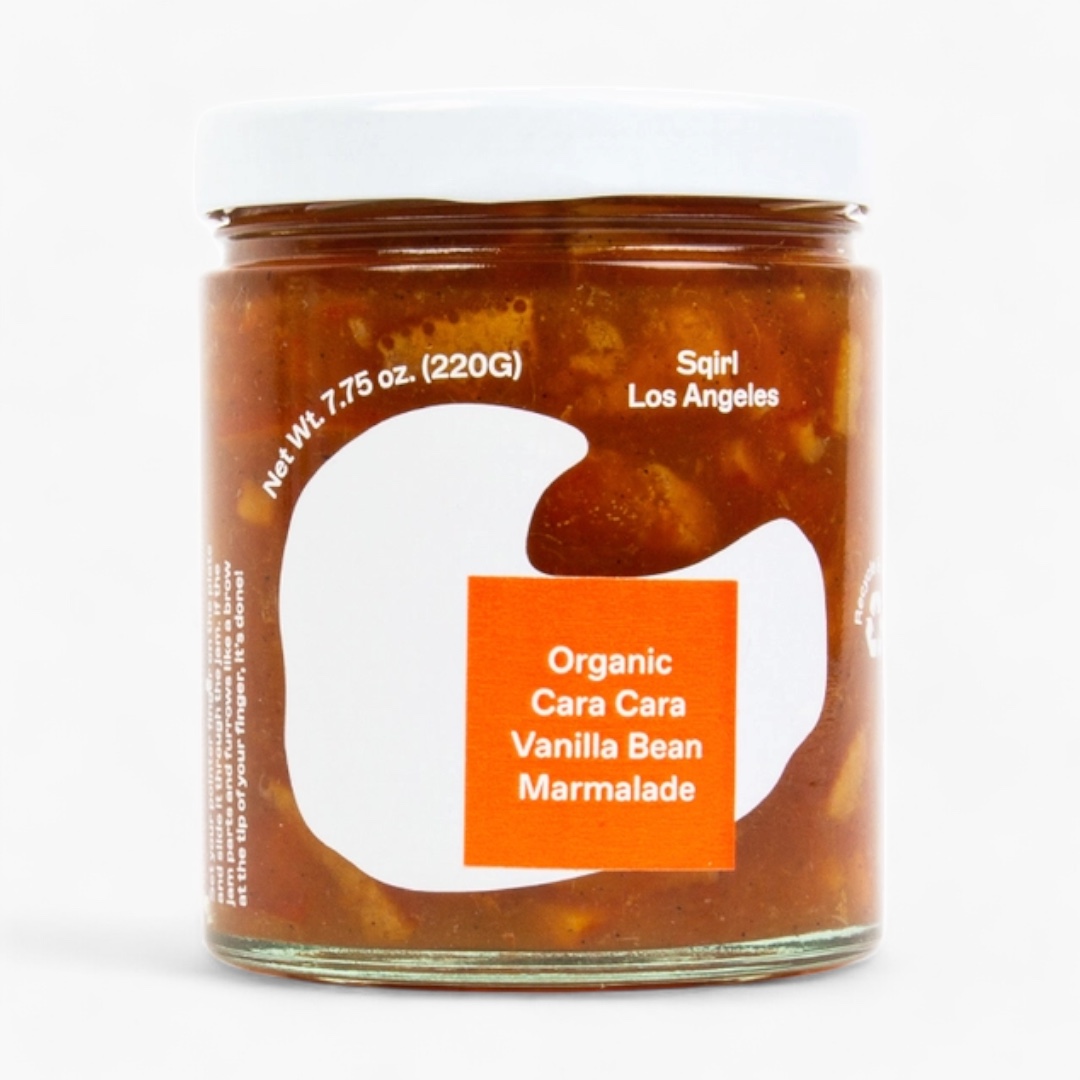
Sqirl Certified Organic Cara Cara Vanilla Bean Marmalade (7.75oz) at The Cheese Plate - Williamsburg
175 Kent Ave, Brooklyn, NY 11249
Packages & prices
This is live, trusted data verified by hardware inside the store.
Berri works with The Cheese Plate - Williamsburg to track its inventory directly.
About this product
Bright Cara Cara marmalade with vanilla-bean creamsicle notes, orange blossom and honeysuckle; excellent on buttered toast, ricotta, and scones, with a fragrant, low-bitter finish.
- Pro Tip
- If you find traditional marmalade too bitter, try this first on plain toast or with unsalted butter—the vanilla and Cara Cara sweetness make it much more approachable.
- Pairings
- Buttered sourdough toast, Plain croissants or scones, Fresh ricotta or mascarpone, A mild goat cheese board, Greek yogurt or crème fraîche, Roast chicken glaze
- Best Uses
- Breakfast toast or English muffins, Pastry filling for thumbprints or tart shells, Cheese board accompaniment, Swirled into yogurt or oatmeal, Glazing poultry or pork for a citrus-vanilla finish
- Vegetarian
- Yes
- Spice Level
- No spice/heat
- Tasting Notes
- Fresh Cara Cara orange leads with sweet-tart citrus, then soft vanilla bean and floral orange-blossom/honeysuckle aromatics. Compared with classic marmalade, it reads creamier, less bitter, and more perfumed, with a clean citrus finish.
- Texture Style
- Smooth-to-slightly-set marmalade with fine citrus character; glossy, spreadable, and not overly chunky.
- Sweetness
- Moderately sweet
- Value Assessment
- A premium artisan marmalade with distinctive flavor complexity; strong value if you want a boutique citrus spread, though the price should be moderate for everyday use.
- Fruit Or Flavor Source
- Certified organic Cara Cara orange marmalade finished with organic vanilla bean; flavor notes emphasize creamsicle, orange blossom, and honeysuckle.
Catalog description
This jam is an eccentric ‘creamsicle': Cara Cara Orange + Vanilla Bean. It may not seem like that strange of a fruit or marmalade, yet the first Cara Cara was discovered at the Hacienda Caracara in Valencia, Venezuela in 1976 and is believed to have developed as a spontaneous bud mutation on a Washington naval orange tree. The Cara Cara is a mutation that botanists call bud sport. In botany, a bud sport is a part of a plant that shows morphological differences from the rest of the plant. The cause for these fantastic freaks is generally thought to be a chance genetic mutation. So thank your lucky stars that a Navel orange tree in Venezuela got a little freaky back in 1976, or else we wouldn't have been able to fold organic vanilla bean into these complex floral-forward beauties from Rancho Del Sol farms, and deliver it to you in a little glass jar.