Retail had 713,000 open jobs in September 2026, according to the Bureau of Labor Statistics, and plenty of independent stores run some shifts with fewer people than they'd like. Shoppers notice. In a 2026 survey by GreyOrange, which makes inventory software, 42% said they'd struggled to find a store employee to help them at least once a month.
Key takeaways
- Shoppers who leave empty-handed most often couldn't find an item or found it out of stock.
- Answer your ten most common questions on the shelf and keep popular items in the same place.
- Move restocking and online-order prep out of your busiest hours so staff are free when shoppers are there.
Find out why shoppers leave
In a 2025 global study by Zebra Technologies, which sells technology to retailers, 73% of shoppers said they want to interact with store staff, and more than half had left a store empty-handed in the past three months. Among them, the most common reasons were an item being out of stock or not being able to find it.
For one week, keep a tally at the register of why people leave without buying: out of stock, couldn't find it, or no one free to help. Start with whichever gets the most marks.
Answer the common questions on the shelf
Most shopper questions repeat. Write down the ten you hear most and answer them where people ask: shelf cards with specs, care instructions or what something pairs with, size and fit guides, and staff-pick tags with a sentence on why. The same list makes a good training sheet for new hires.
Make things easy to find
Put up clear section signs and a simple map by the door, and keep popular items in the same spot. When something's out, add a shelf note saying when it'll be back.
Put product details a scan away
PYMNTS Intelligence, a payments research firm, found 42% of US shoppers used a phone while shopping in a physical store in March 2026, up from 30% in January 2024, and 26% read product reviews that way. A QR code on the shelf that opens your own notes on the product gives them what they're looking for from you instead of a competitor.
42%
Protect your floor time and make help easy to ask for
GreyOrange found 17% of shoppers had run into staff too busy with online orders to help. Use your POS sales-by-hour report to find your two busiest hours, and move receiving, restocking and pulling online orders outside them.
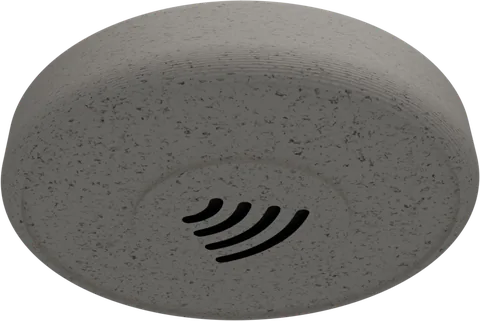
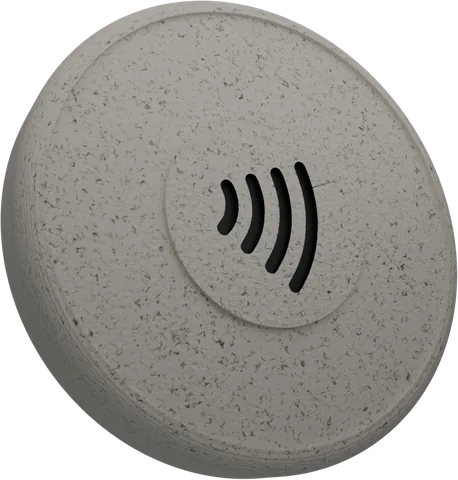
Put a "Need help? Ring or text" sign with a number in each aisle, and greet people at the door. On shifts when nobody's free, Berri lets shoppers tap or scan next to a product and get an answer right away. We also show you what people asked, which tells you where an extra person or a new shelf card would help most.
What to do this week
- Tally for one week why people leave without buying.
- Write shelf cards for your ten most-asked questions.
- Move receiving and online-order prep out of your two busiest hours.
- Put a "Need help? Ring or text" sign in each aisle.
FAQs
What's the quickest fix for a short-staffed shift?
Put answers to your most common questions on the shelf, and move restocking and online order prep out of peak hours.
Will self-service make my store feel less personal?
Not if it's done well. Most shoppers still want to talk to people. Self-service handles the routine questions so your staff has more time for the conversations that need a person.